


Cape Schanck: the light at the edge of the Peninsula
Cape Schanck: the light at the edge of the Peninsula
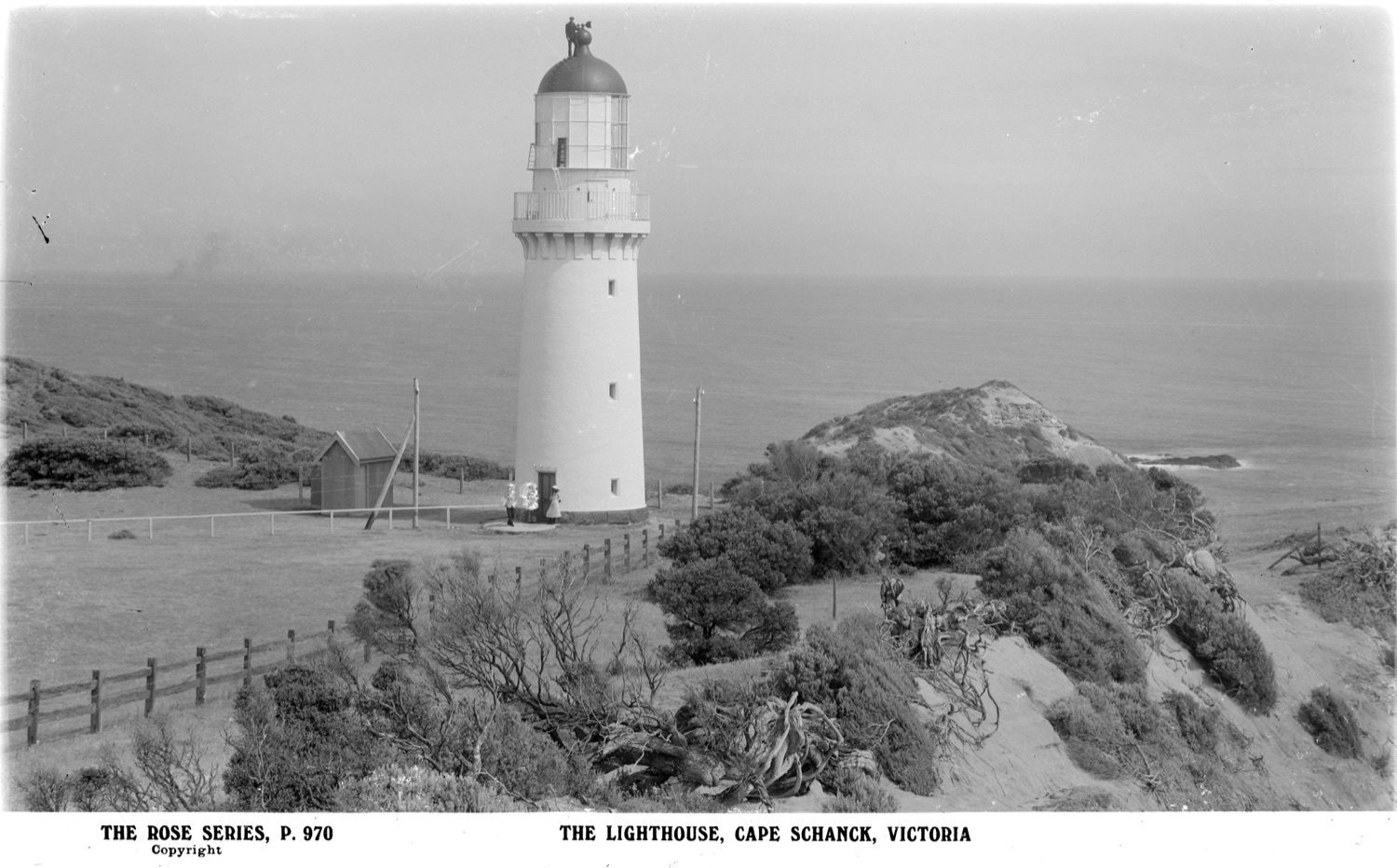
At Cape Schanck, the lighthouse gives the coastline a human scale. A small tower stands above a vast stretch of water, marking a headland that ships needed to recognise long before it became a favourite place to take a photograph. First lit in 1859, it belongs to a working history of the Peninsula that is easy to overlook when the view is this good.
See More Lost Melbourne History
A headland to recognise
The Australian Maritime Safety Authority dates the first lighting to 1859 and places the lighthouse at the southern end of the Mornington Peninsula. Its position is the point of the building: a navigational light has to be seen and understood from the water.
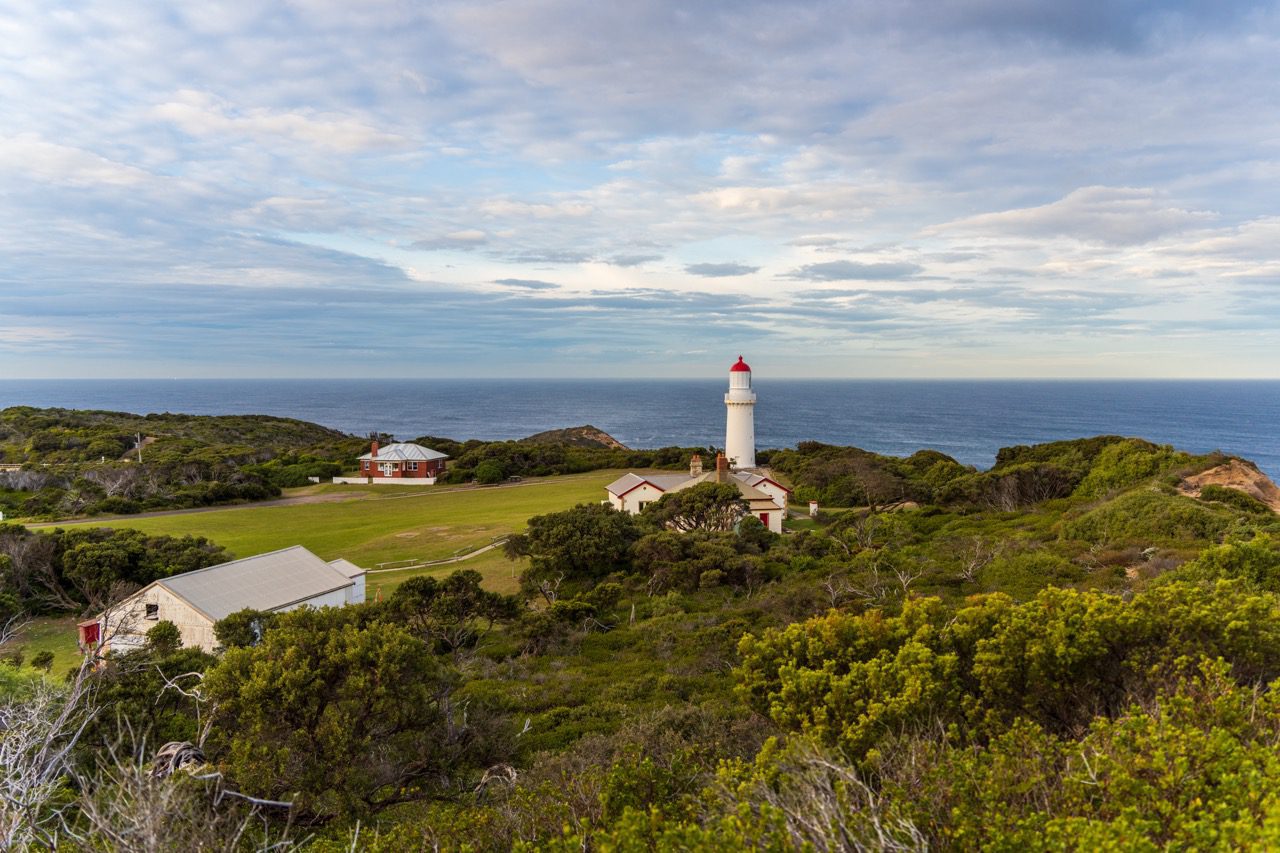
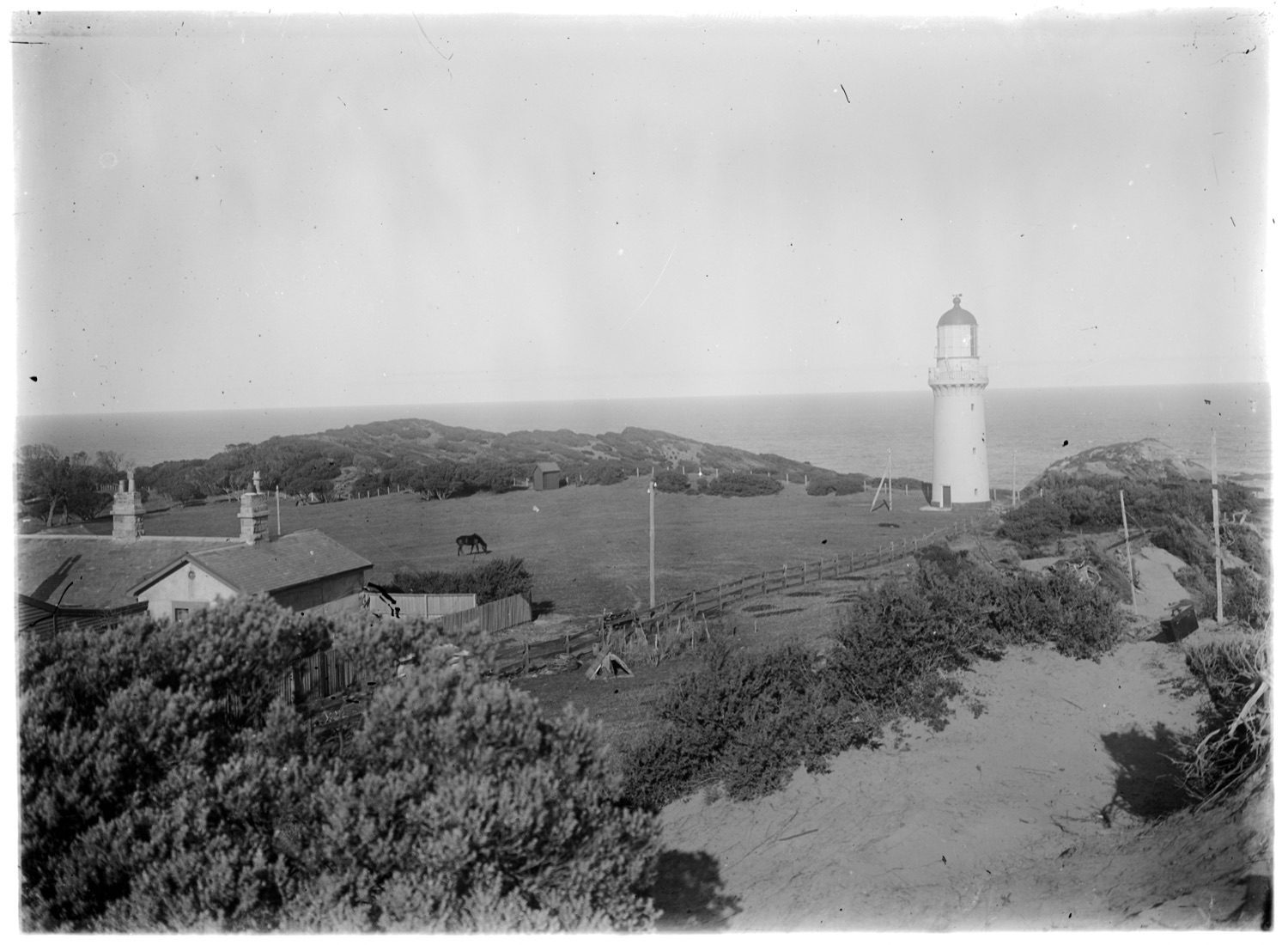
Look at the precinct as well as the tower. Parks Victoria identifies the former keeper’s residence among the surviving buildings. Together, they make it possible to read this as a workplace and a home, with everyday life arranged around keeping a light in service.
Reading the coast through the buildings
A useful way to look at Cape Schanck is to reverse the usual view. Instead of standing on land and looking out, imagine approaching the headland from the sea. The tower becomes a reference point in a coastline of cliffs and exposed rock.
The setting also invites a slower kind of comparison. In historical and present-day views, start with the relationship between the buildings and the headland. Then look for changes around them: paths, fences, planting and the ways visitors move through the place. A familiar landmark can hold several histories at once.
Sources: Australian Maritime Safety Authority; Parks Victoria.