


A rare glimpse of Flinders Street before the station, before the city, before the riverfront we know today.
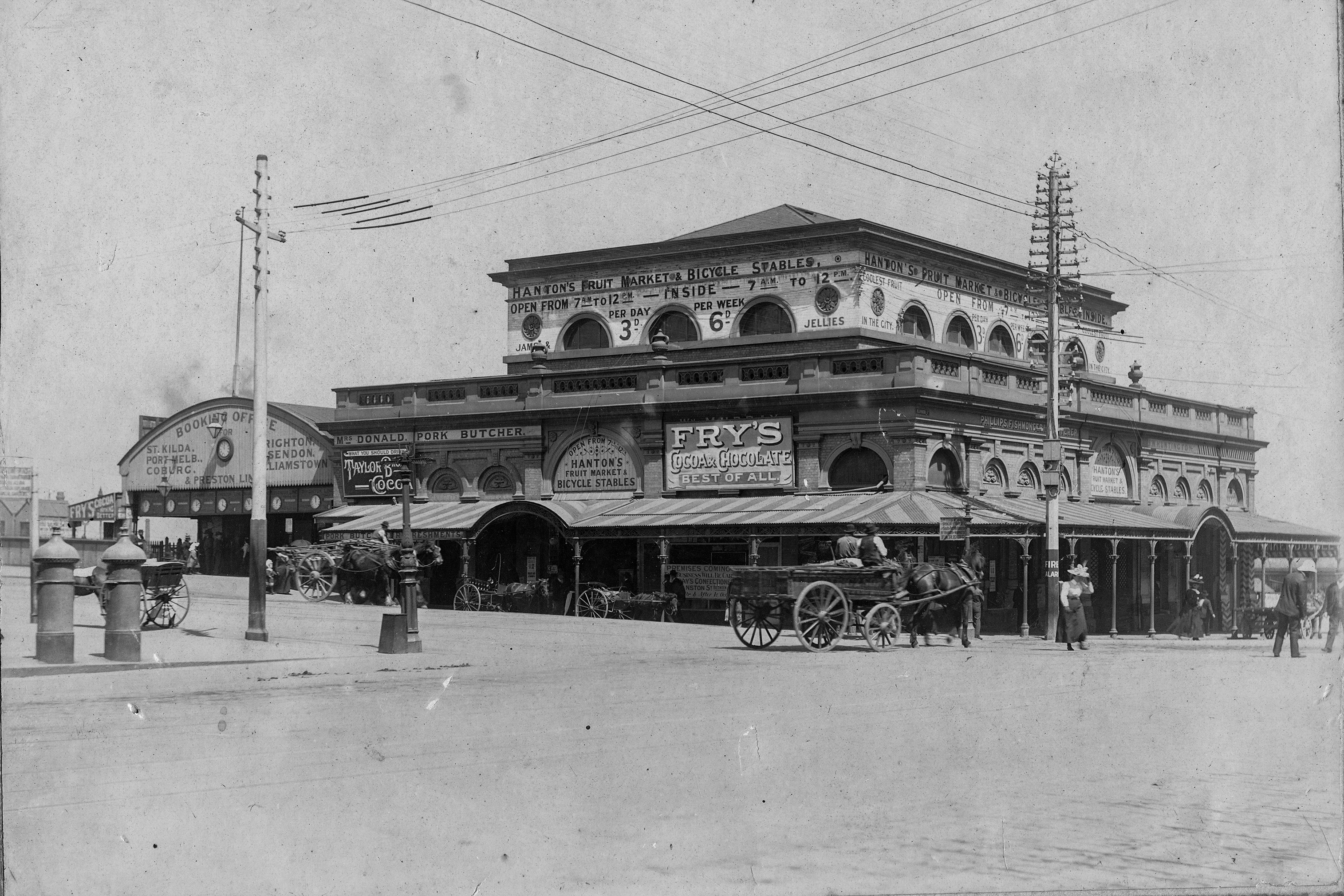
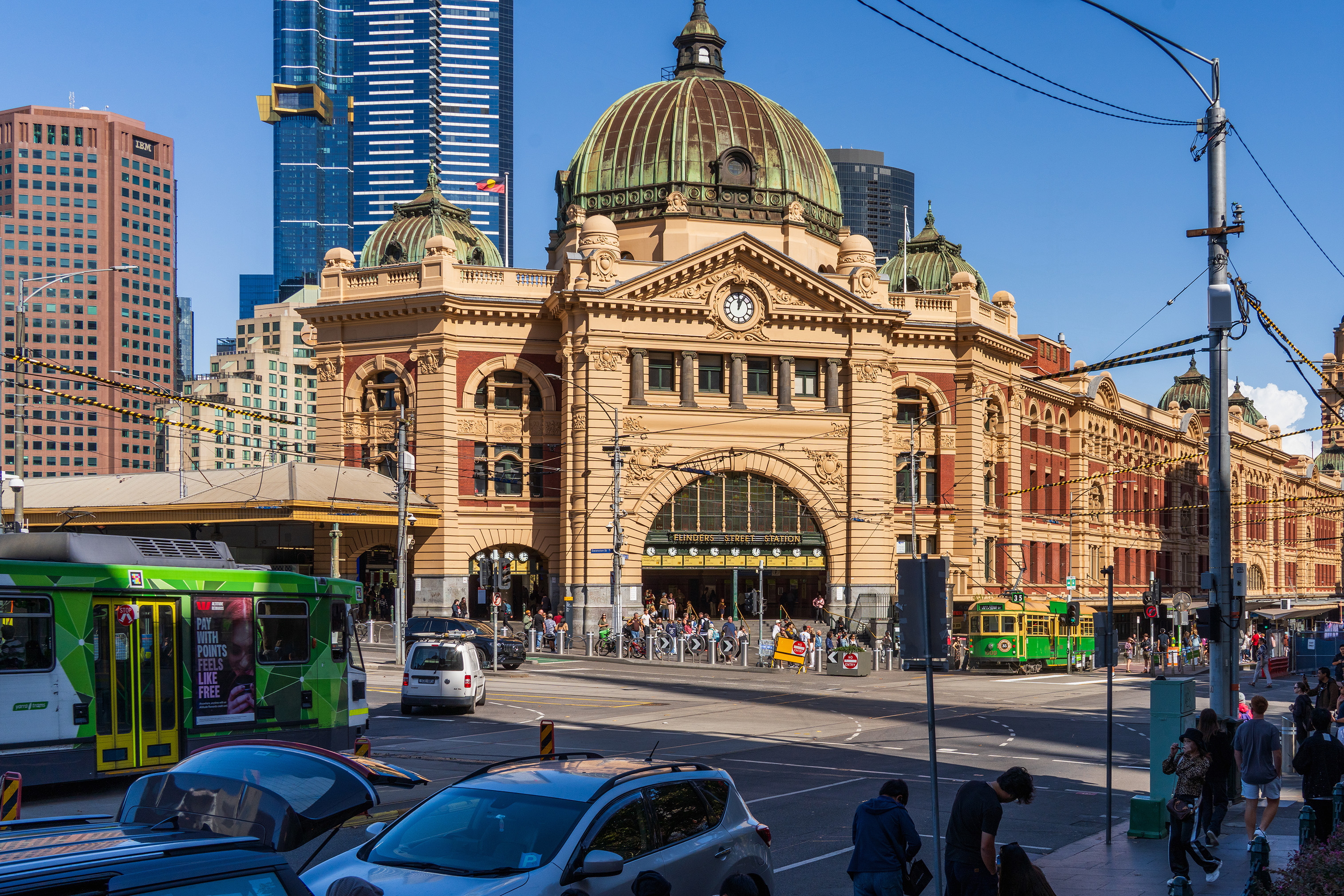
Flinders Street, before Flinders Street Station
Captured between 1893 and 1901, this photograph shows a stretch of Flinders Street when it functioned as Melbourne’s original fish market. Long before the famous station clocks, the busy concourse, or the daily commuter rush, this riverside edge of the city was practical, messy, and vital for survival.
In Melbourne’s early days, fish were sold along the banks of the Yarra River near Princes Bridge. An informal open-air market of fishermen and hawkers sprang up here, often condemned for its chaos and smell.
At the time of this photograph, there was no Flinders Street Station, no rail line dominating the view. Not a hint that this spot would later host the city’s most iconic railway landmark.
What You’re Seeing in This Photograph
-
Flinders Street bustling as a fish market precinct in the mid-19th century
-
The Yarra River being used as working infrastructure for transport and trade (a backdrop for boats and cargo, not leisure strolls).
-
No Flinders Street Station or rail infrastructure visible.
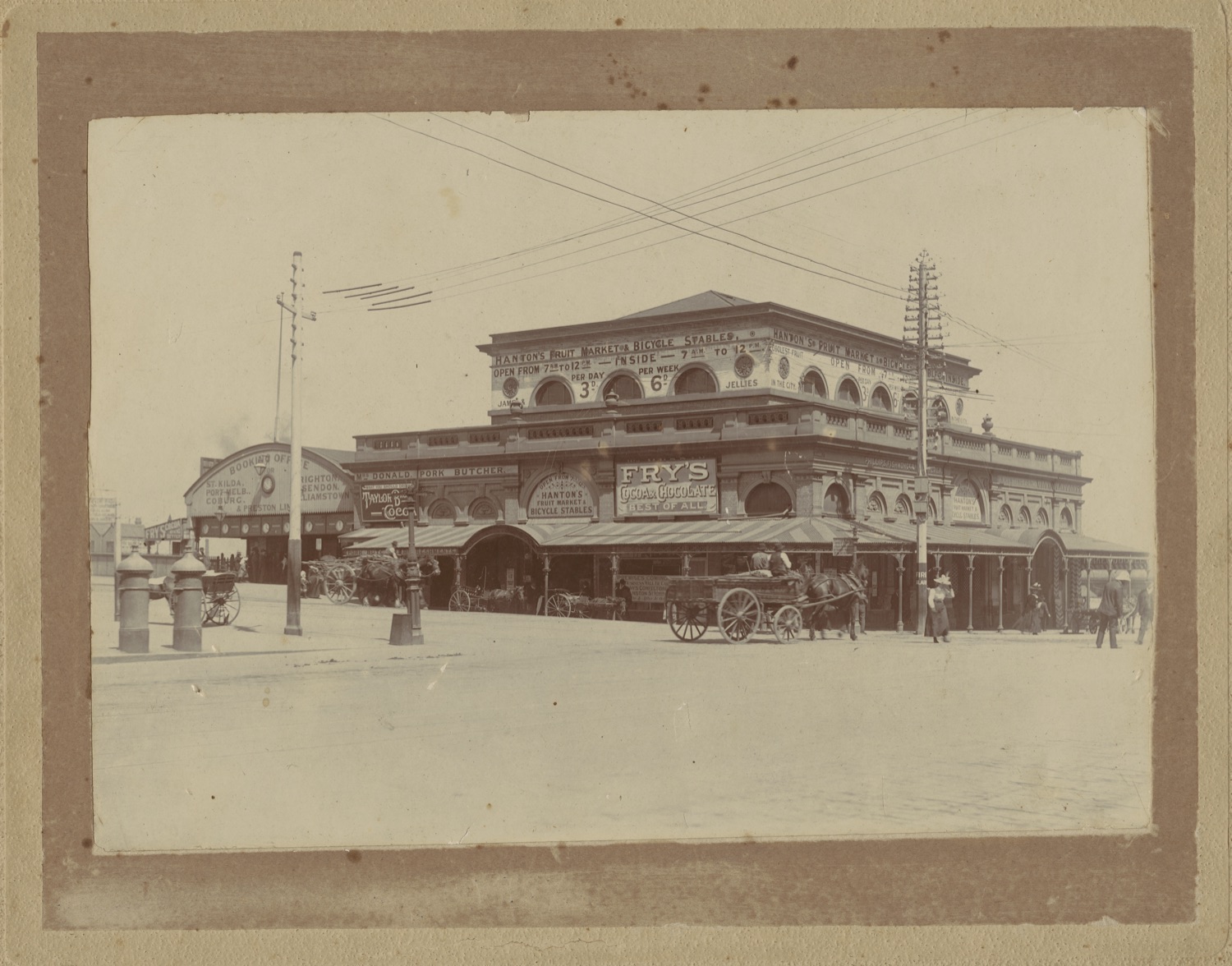
Why this photo matters?
- Before it became the heart of Melbourne’s transport network, this site quite literally fed the city. The fish market along Flinders Street supplied a rapidly growing population during and after the gold rush boom
- The old fish market was moved to a new building in 1891, clearing the way for the sprawling station complex that would rise soon after.
- In short, the transport epicenter that we know today sits on foundations laid by the city’s early struggle to feed itself.
Explore Melbourne’s Full Visual History
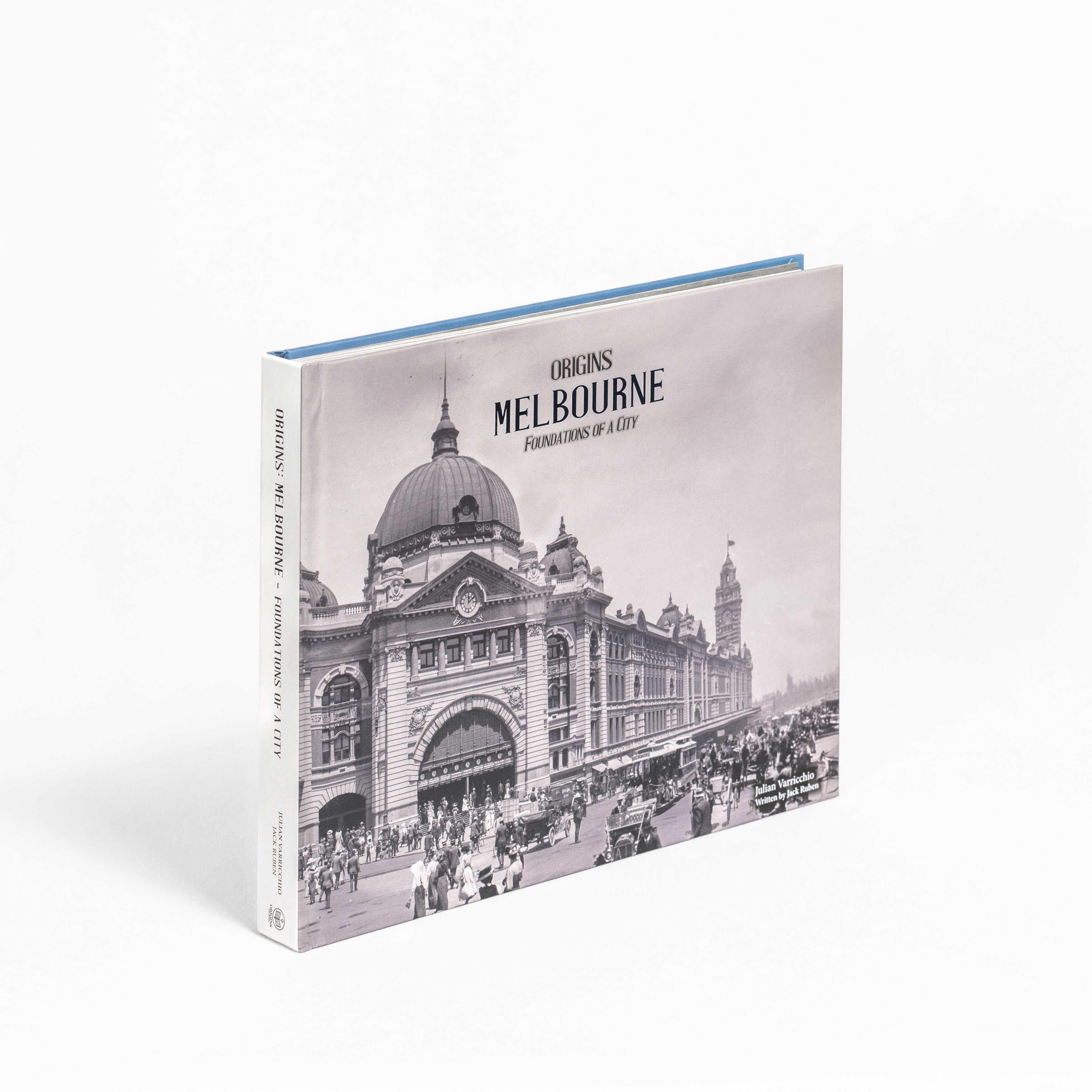
This photograph is just one of hundreds featured in Origins: Melbourne — Foundations of a City, a premium hardcover coffee table book that traces Melbourne’s evolution from the 1800s to today. Restored images, modern re-shoots, and detailed narratives bring the city’s past to life.
Want more like ths?
Head to our History Hub where we break down iconic images and add further context to the scenes and time once gone.